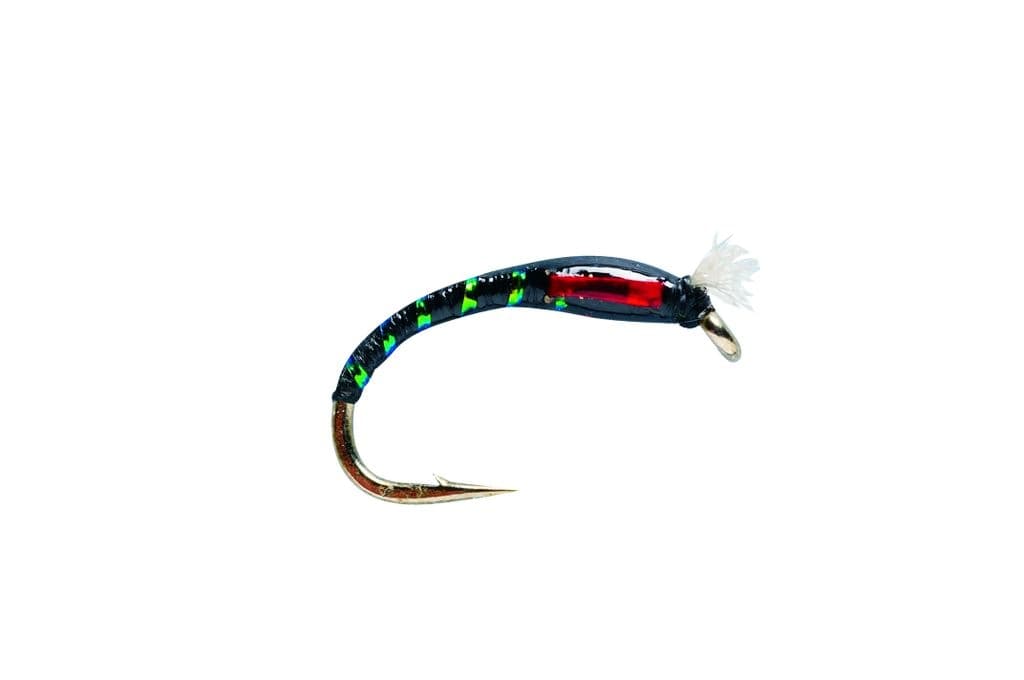
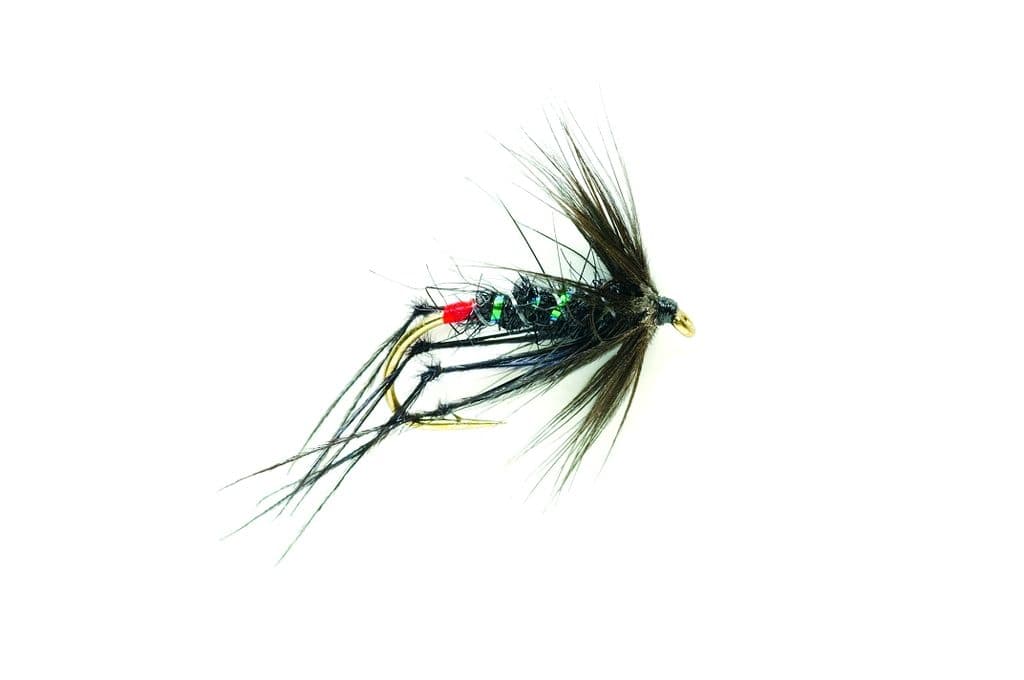
Black buzzer
Midge pupa — bedrock LD pattern
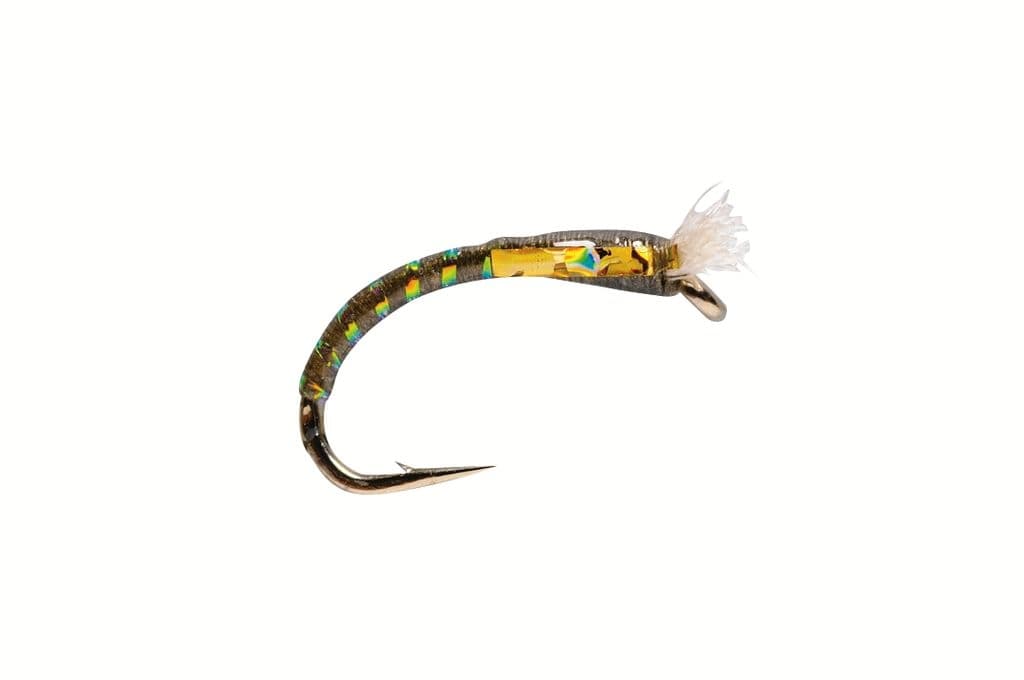
Mar–Jun, SepOlive buzzer
Colour variant for picky fish
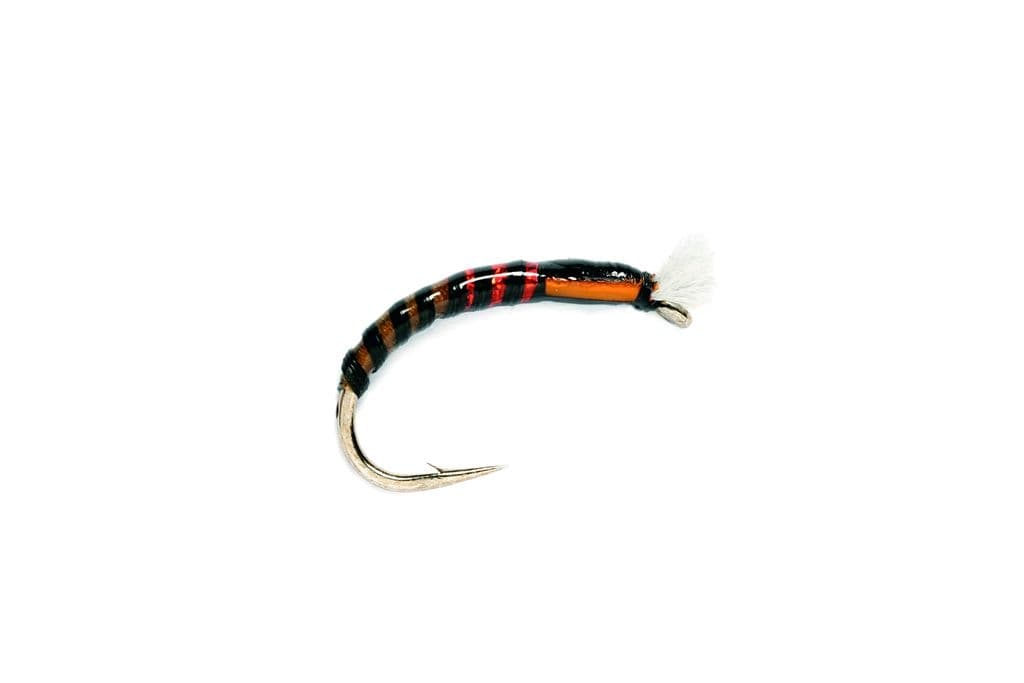
Mar–JunRed/claret buzzer
When black/olive draw blanks
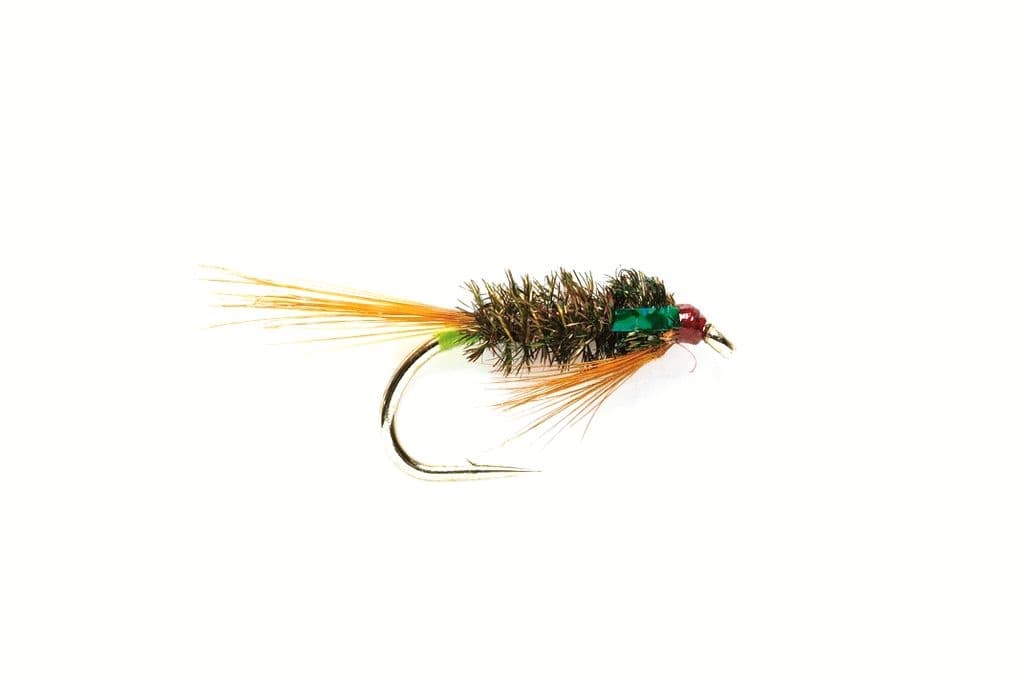
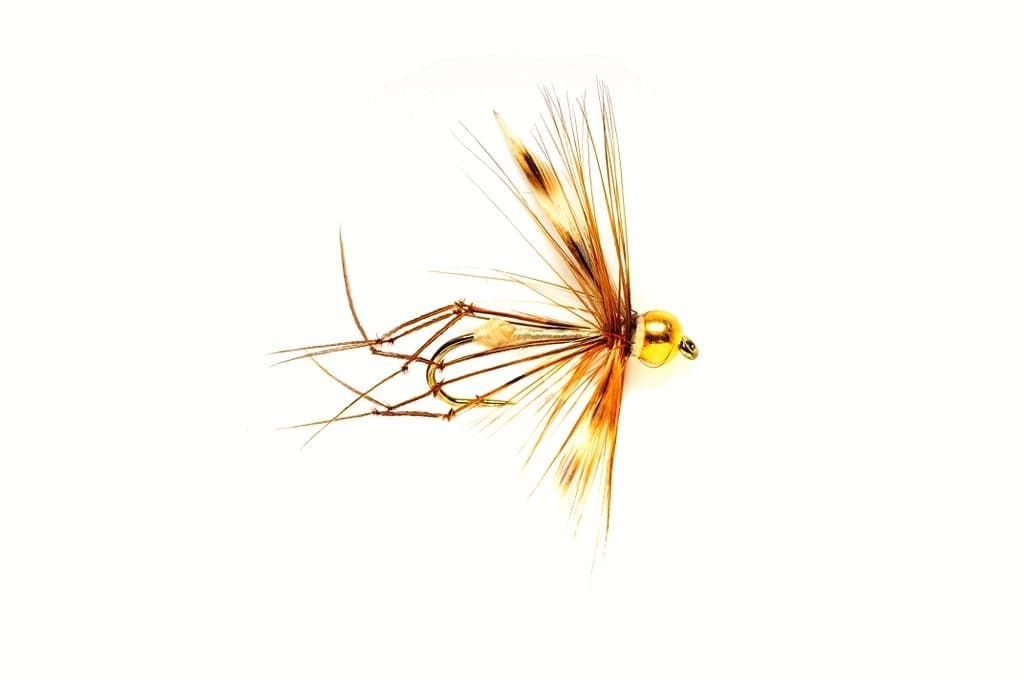
Apr–JunDiawl Bach
Generic nymph — LD staple
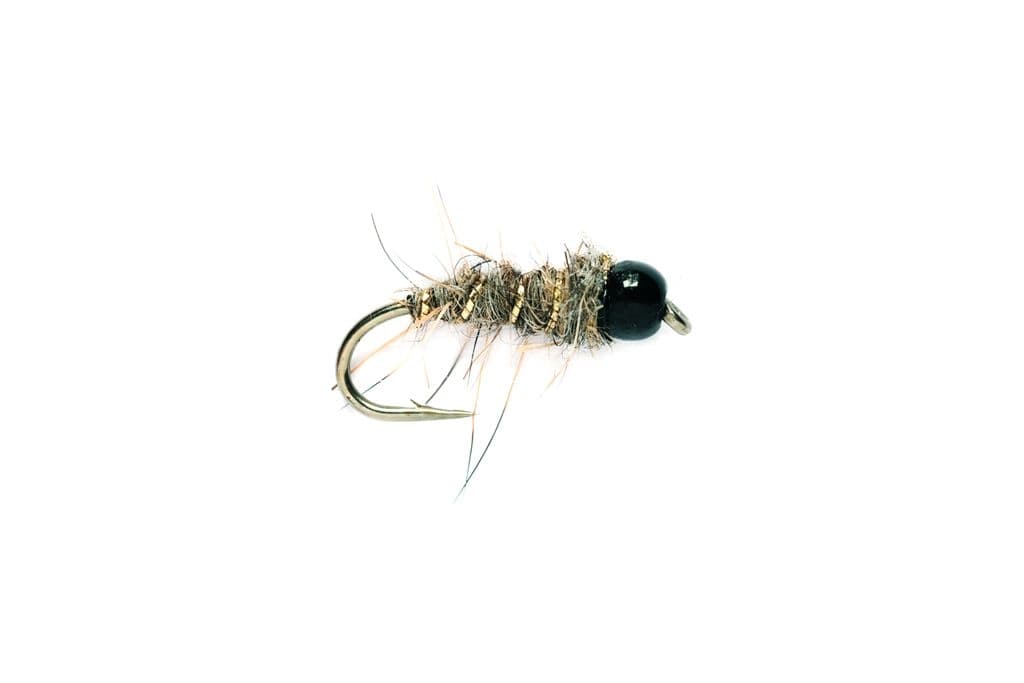
Year-roundHare's ear nymph
All-round searching nymph
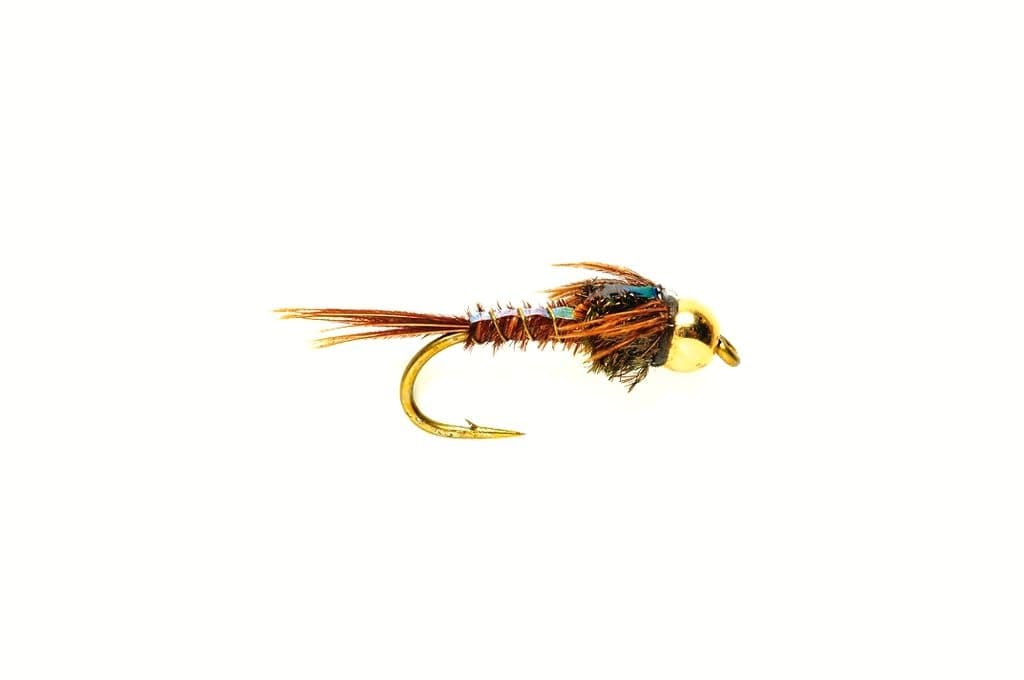
Year-roundPheasant tail nymph
Slim profile — good on bright days
Year-roundOlive damsel
Emerging damselfly imitation
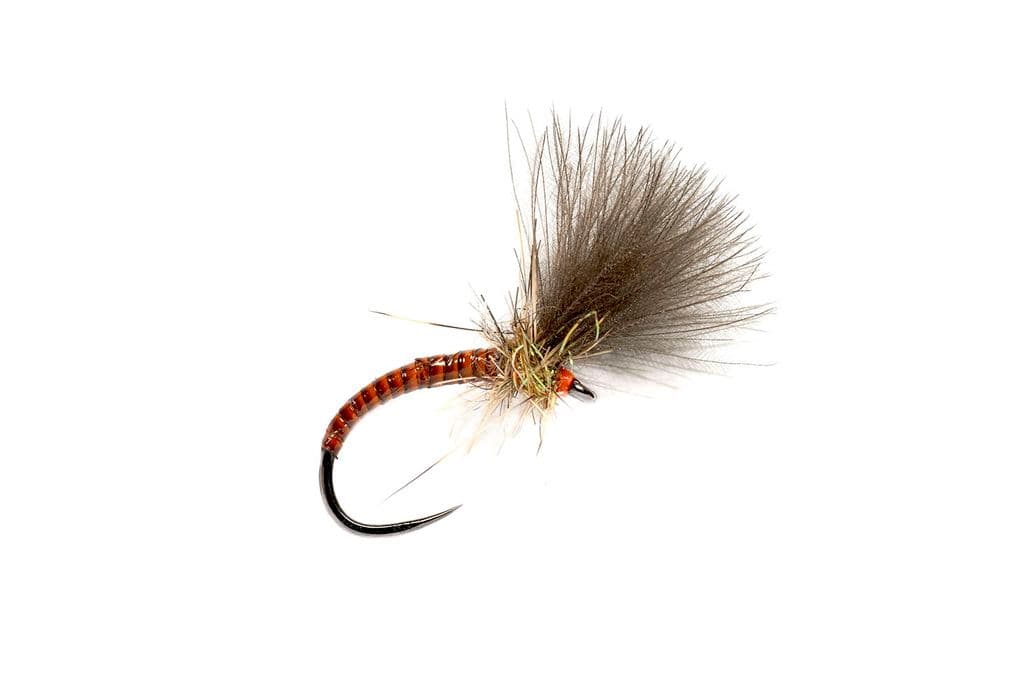
Late May–JulCDC emerger
Surface film — hatching midge
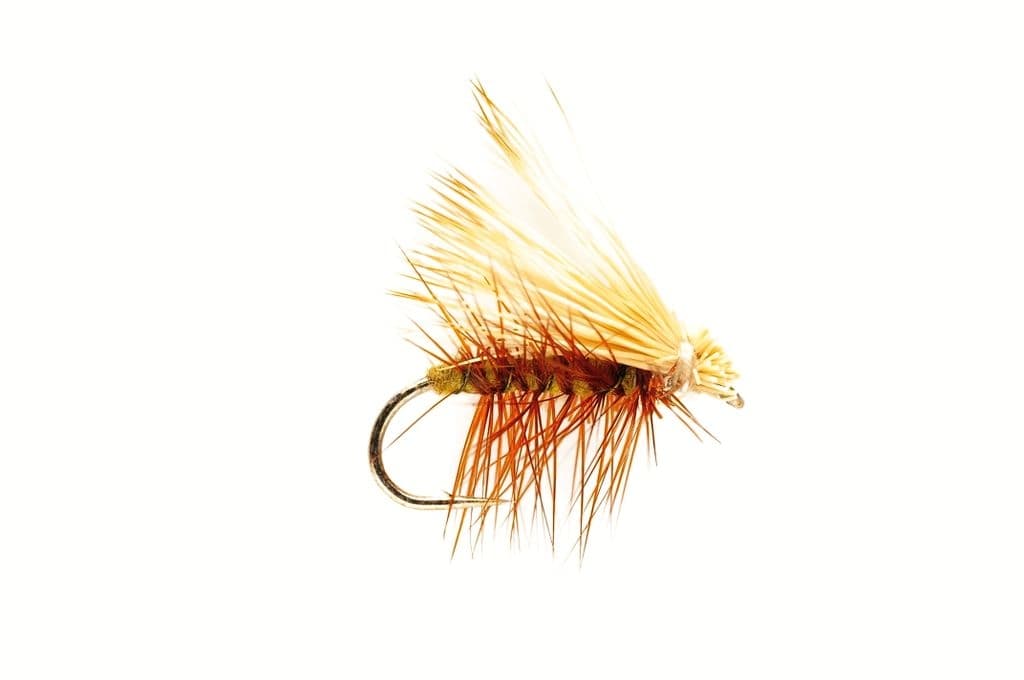
May–Jul eveElk hair caddis
Sedge imitation — reliable dry
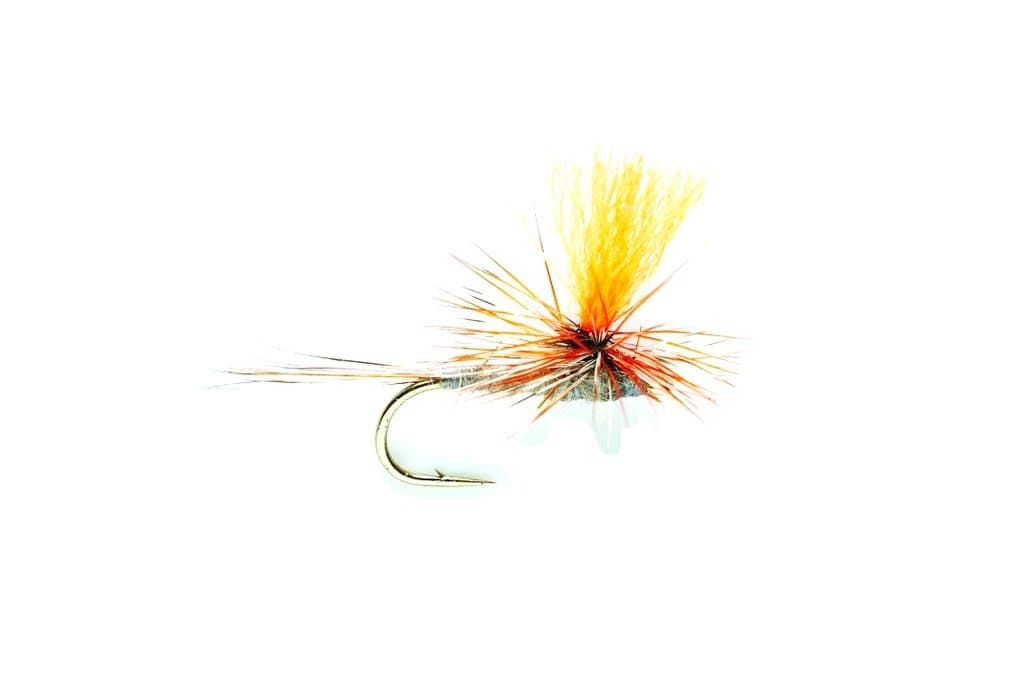
Jun–Aug eveParachute Adams
All-round dry — easy to see
May–SepDaddy longlegs
Crane fly — autumn surface killer
Aug–OctHopper
Foam terrestrial — bright summer days
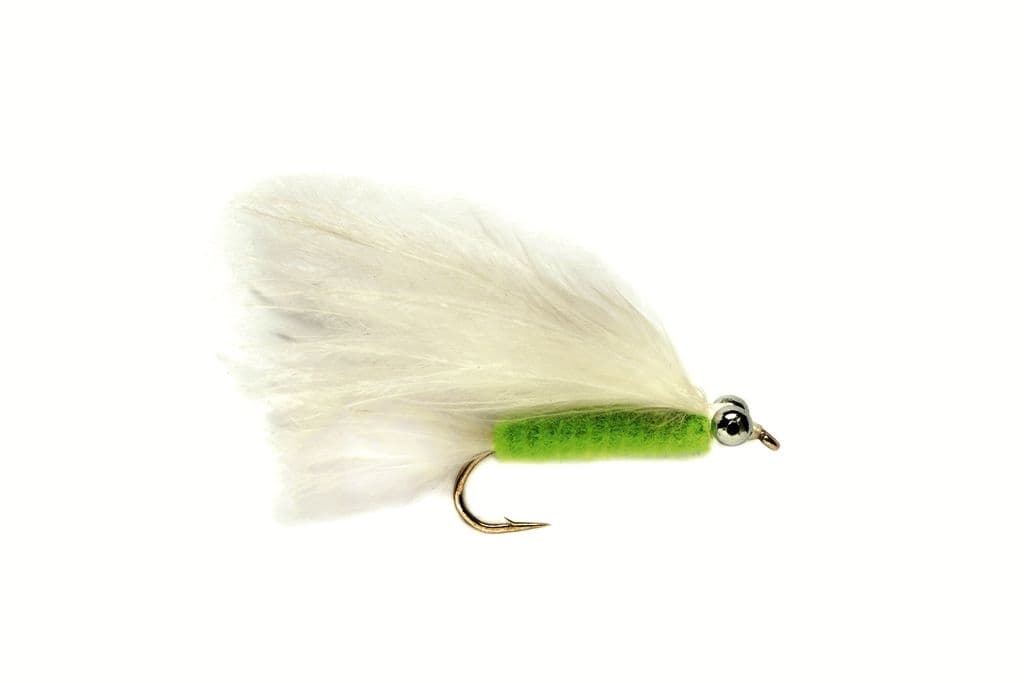
Jun–AugCat's whisker
White attractor — coloured water
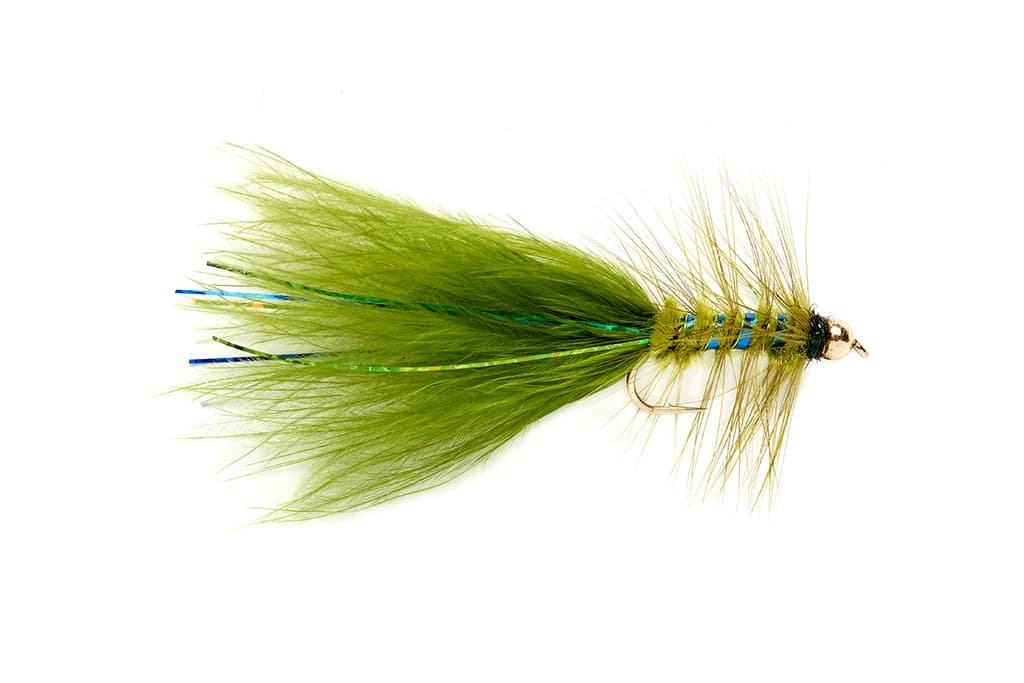
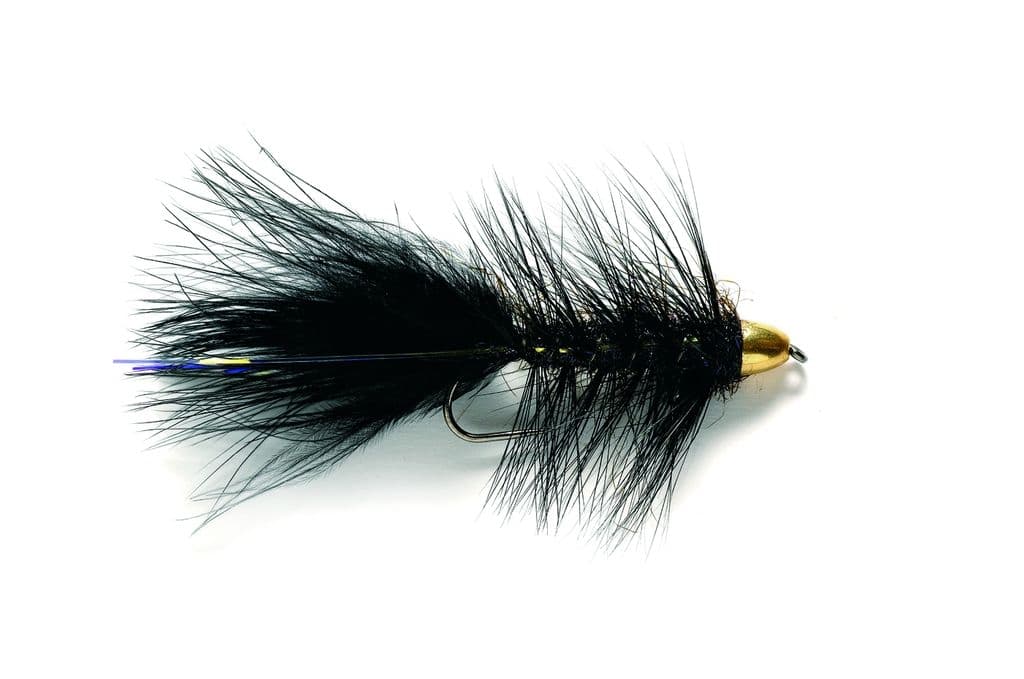
Year-roundOlive/black wooly bugger
Streamer — fry or aggression
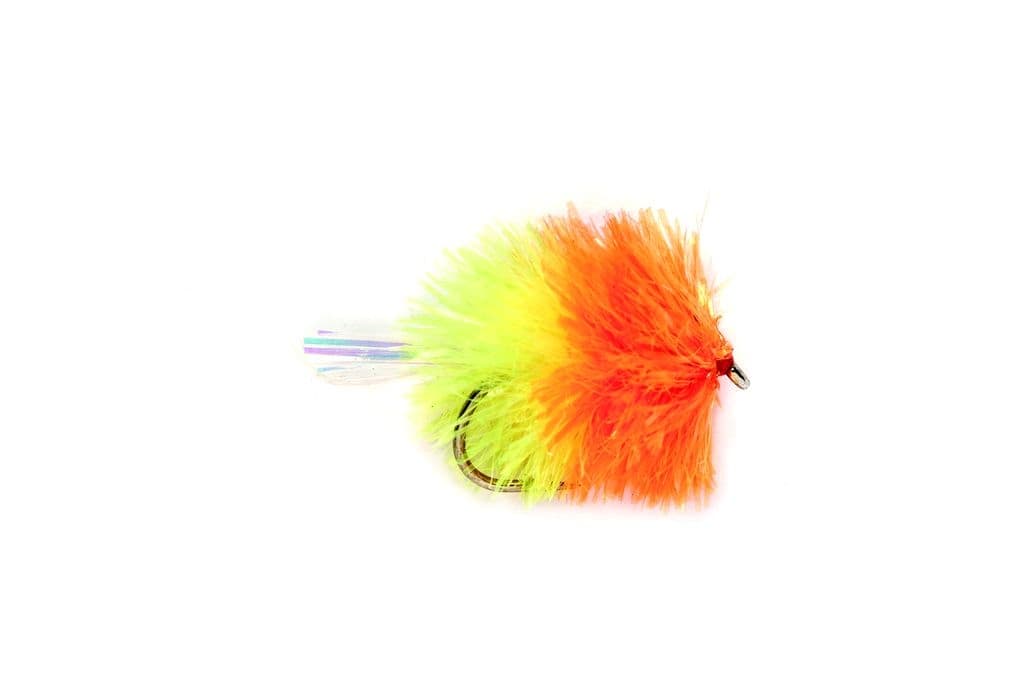
Spring, autumnBlob (orange/pink)
Attractor — stocked fish, dirty water
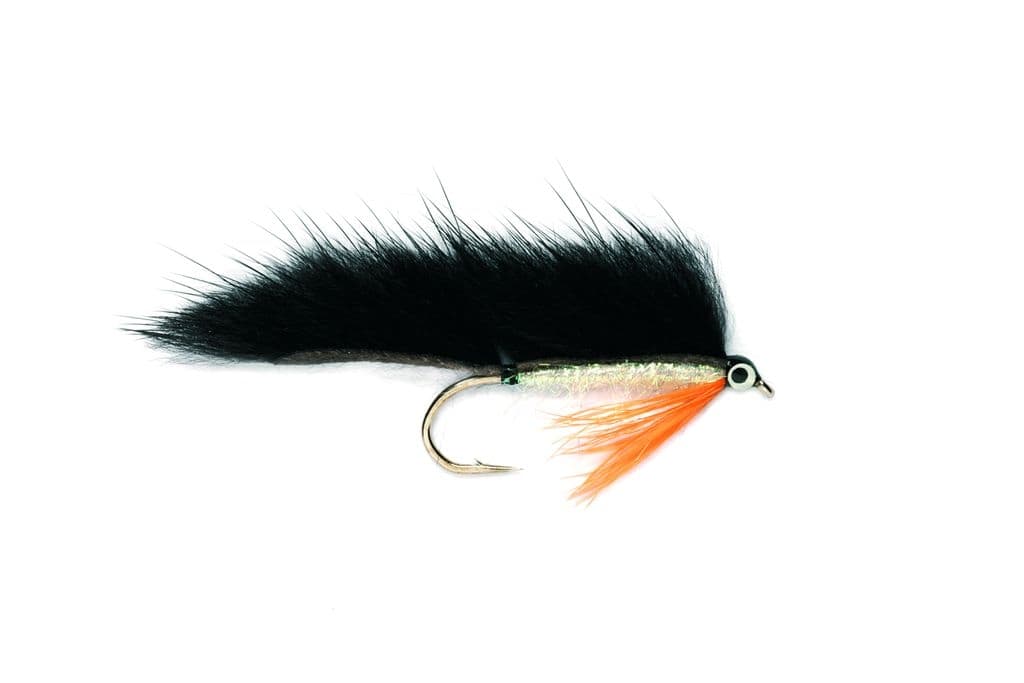
Year-roundMinkie
Fry imitation — mink fur
Aug–OctThese patterns are specific to Lake District stillwater conditions. Coldwater lake rainbows behave differently from chalk-stream or river trout — the advice here won’t translate directly.